Winter overlanding is a great way to see familiar places at their quietest. Campsites are empty, there are no bugs and a clear, cold night can be spectacular. However, winter is also less forgiving. Short days, frozen water, weak batteries and snowy tracks turn small mistakes into big ones. Use this checklist before you head out, and adjust it to how cold and how remote your trip will be.
Prepare your vehicle for winter overlanding
- Tyres: winter tyres or all-terrains with the three-peak mountain snowflake symbol grip far better on snow and ice than summer tyres. Carry chains if the area requires them, and practise fitting them at home first.
- Fuel: keep the tank above half. Diesel can gel in hard cold, so fill up with local winter-grade fuel where you’re going and consider an anti-gel additive before temperatures drop, not after.
- Starting battery: cold reduces a battery’s ability to crank the engine. Have it load-tested before the trip and carry jumper leads or a lithium jump starter.
- Fluids: check coolant protection and fill the washer tank with a winter-rated fluid.
- Auxiliary battery: most lithium batteries must not be charged below freezing unless they have low-temperature protection or built-in heating. Our lithium vs AGM guide explains why.
Recovery gear for snow
On a winter overlanding trip, snow recoveries usually start with a shovel, not a strap. Dig out in front of the tyres and under the chassis, then use traction boards. Lowering tyre pressure helps on soft snow too, but don’t go too low on a heavy rig. Pack:
- a full-size shovel
- traction or recovery boards
- a tyre gauge and a 12V compressor
- a recovery rope or snatch strap with soft shackles and rated recovery points
- gloves, a headlamp and a tarp to kneel on
See our recovery gear guide for how kinetic ropes, snatch straps and soft shackles differ and how to use them safely.
Sleeping warm in winter
Most cold nights are lost from below, not above. That’s why an insulated sleeping pad matters as much as the bag. Winter pads are usually rated around R4 or higher, and two pads stacked together add their ratings. Choose a sleeping bag rated below the lowest temperature you expect, and use a liner if you’re unsure.
- Change into dry base layers before bed. Damp clothes from the day steal heat all night.
- Fill an insulated bottle with hot water and put it in your sleeping bag.
- Eat a proper meal before bed and keep a snack within reach.
- Ventilate the tent a little. Condensation and frost inside a sealed tent will soak your gear.
Heating safely
For many people, a diesel heater is what makes winter overlanding comfortable, but only when the exhaust goes outside and a carbon monoxide alarm is inside. Read our diesel heater safety guide before you use one in a tent or camper.
Never run the engine to stay warm while you sleep. If you have to run it to warm up while stuck, keep the exhaust pipe clear of snow and open a window slightly. Snow around the tailpipe can push exhaust gas back into the cabin.
Water that won’t freeze
In freezing weather, water stored outside the cabin turns to ice overnight. Keep your drinking water inside the vehicle or tent, use insulated bottles, and store bottles upside down: water freezes from the top, so the opening stays clear for longer. If you rely on a water filter, keep it in your sleeping bag at night. Many hollow-fibre filters can be damaged if they freeze.
Our guide on how much water to carry covers daily amounts and storage.
Power and light
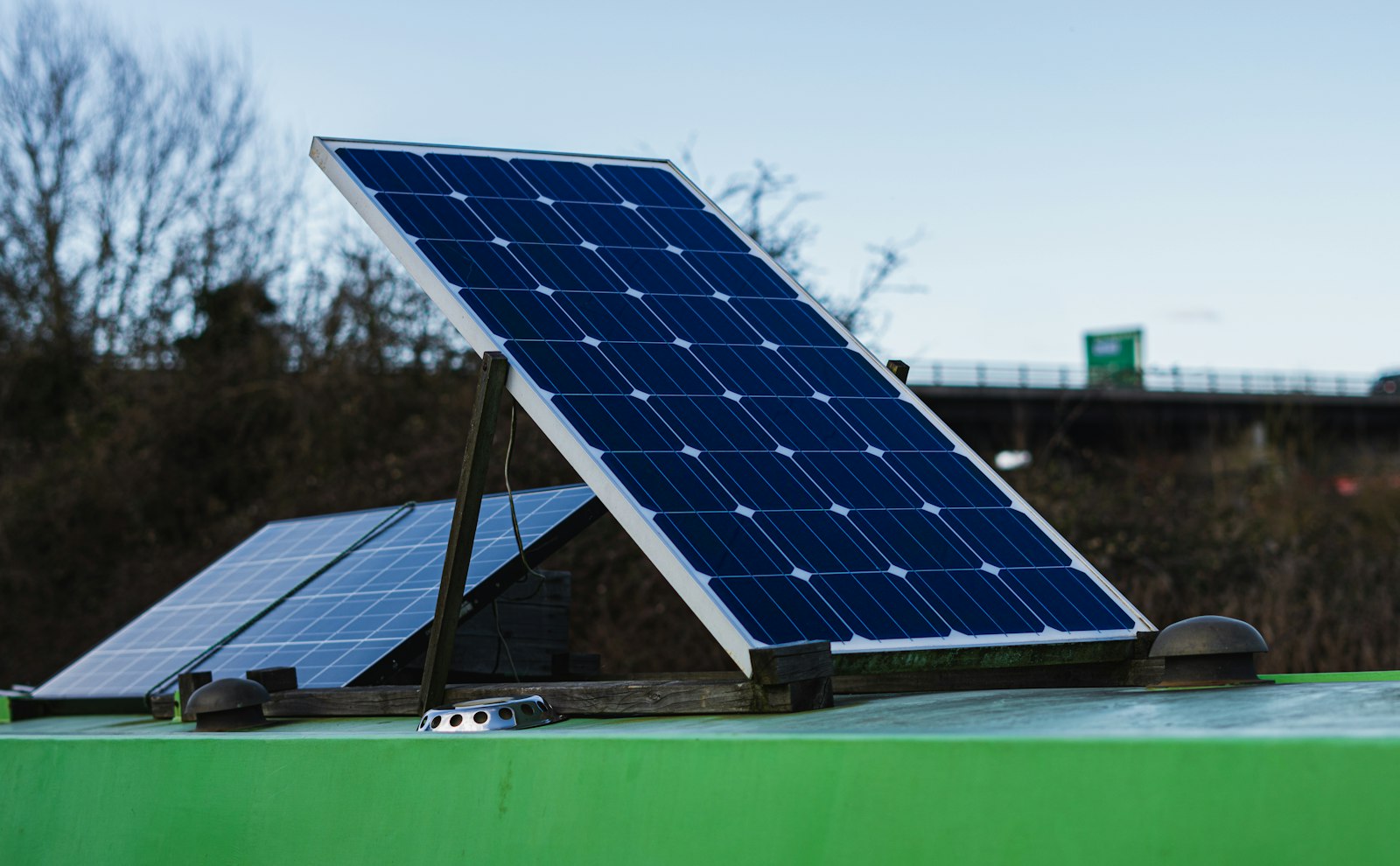
In winter, short days mean less solar, more time with the lights on and more phone charging. Plan your power budget with fewer charging hours than in summer. A 12V fridge works less hard in the cold, but phones and camera batteries drain faster, so keep them in an inside pocket. Our 12V power calculator helps you check whether your battery will last.
Safety and communication
- Leave a trip plan with someone at home, with your route and the date you’ll be back.
- Carry a way to call for help without phone signal. We compare the options in our satellite messenger vs PLB guide.
- Check the weather and road closures before you leave and again on the way.
- Plan to be at camp well before dark.
- Carry spare warm layers, a first aid kit, fire-starting kit and extra food in case you’re delayed.
Quick winter overlanding checklist
| Area | Check or pack |
|---|---|
| Vehicle | Winter-capable tyres, chains, fuel above half, battery tested, winter fluids |
| Recovery | Shovel, traction boards, compressor, gauge, rope or strap, soft shackles |
| Sleep | Pad rated around R4+, bag rated below the expected low, dry base layers |
| Heat | Heater exhaust outside, CO alarm, never sleep with the engine running |
| Water | Inside the vehicle, insulated bottles, filter kept warm |
| Safety | Trip plan, satellite communicator, weather check, spare warm clothes |
Quick answers
Can I overland in winter with an ordinary SUV?
On maintained roads and easy gravel tracks, yes, with good winter tyres and the right gear. Remote snowy tracks need more clearance, recovery gear and experience. Turn back early if conditions are worse than expected.
Will my lithium battery work in the cold?
Lithium batteries can usually discharge below freezing, but most must not be charged below 0°C (32°F) without low-temperature protection or heating. Check your battery’s specifications.
What is the most important piece of winter sleeping gear?
An insulated sleeping pad. Without one, the cold ground pulls heat out of you regardless of how good your sleeping bag is.
Sources
This checklist is general guidance. Conditions vary a lot by region, so check local rules and forecasts and follow your vehicle and equipment manufacturers’ instructions.
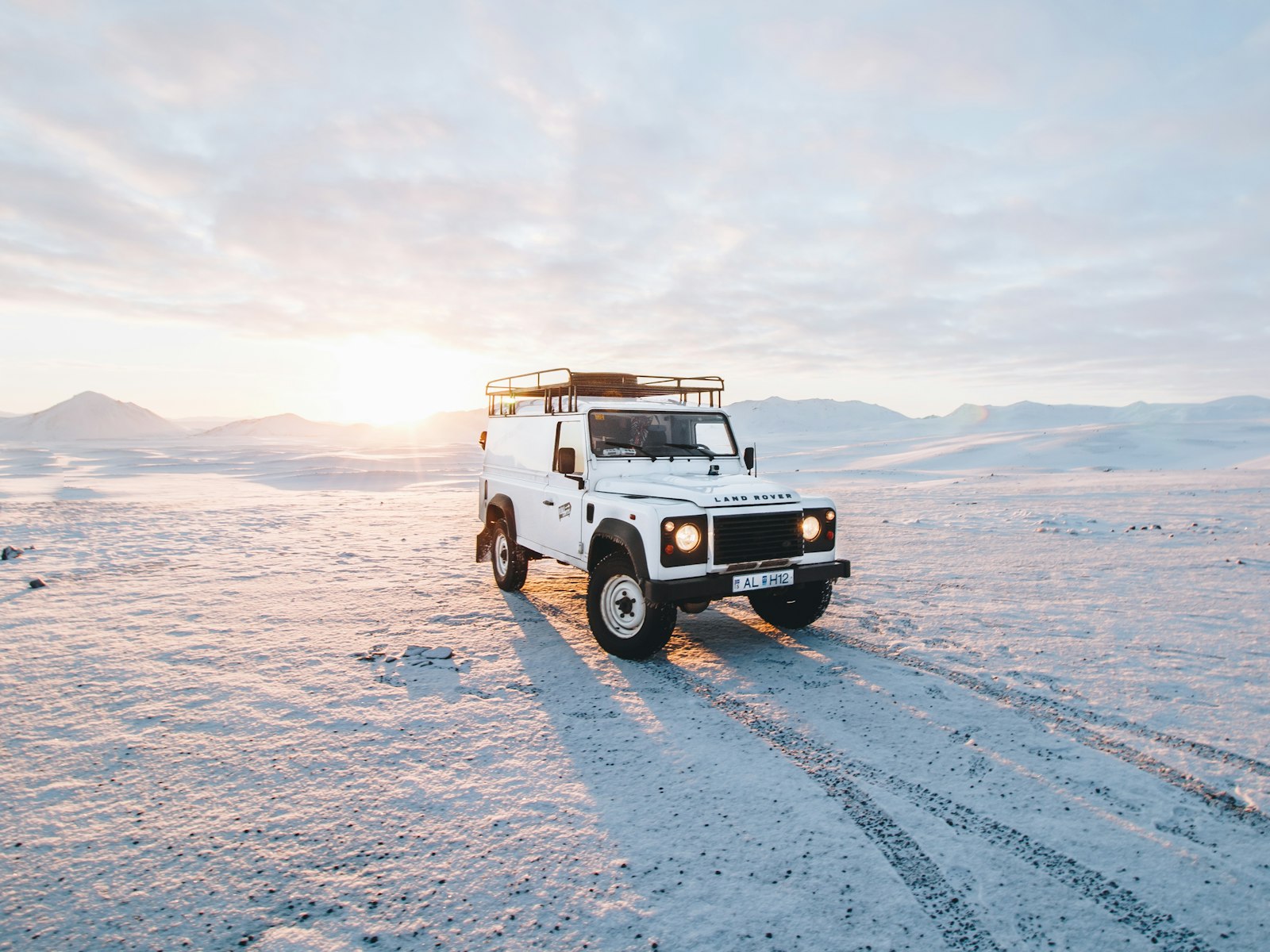
Featured photo: Grant Ritchie on Unsplash.