Solar is the easiest way to keep an auxiliary battery topped up when you stay in one place for a few days. So the big question is where the panel goes. Fixed vs portable solar panels is one of the most common choices in an overland build: fixed to the roof, or folded in the back and set out at camp. Both work, but they suit different trips.
The short answer
- Fixed (roof-mounted): best if you move most days, often park in the open and want charging with no effort.
- Portable (folding panel or blanket): best if you camp for several days, like parking in the shade or don’t have roof space.
- Both: a modest roof panel plus a portable panel for longer stays is a common, flexible setup.
How much power do panels really make?
Outback Equipment’s figures give a useful idea. A 170–200W fixed panel produced about 8–11 amps in full sun, or roughly 48–66Ah across six good sun hours. A 50-litre fridge used about 36Ah a day. A 300W folding blanket gave 16–17 amps, around 96–102Ah a day in good conditions.
However, those are good-day numbers. Clouds, winter sun, heat and a thin layer of dust all reduce output. The same source notes that dust alone can halve it, and that mounting a panel flat can cost up to 20% compared with angling it towards the sun.
Fixed vs portable solar panels at a glance
| Fixed roof panel | Portable panel or blanket | |
|---|---|---|
| Setup | None, always connected | Set out and pack away each time |
| Charges while driving | Yes | No |
| Parking in shade | Panel is shaded too | Park in shade, run the panel into the sun |
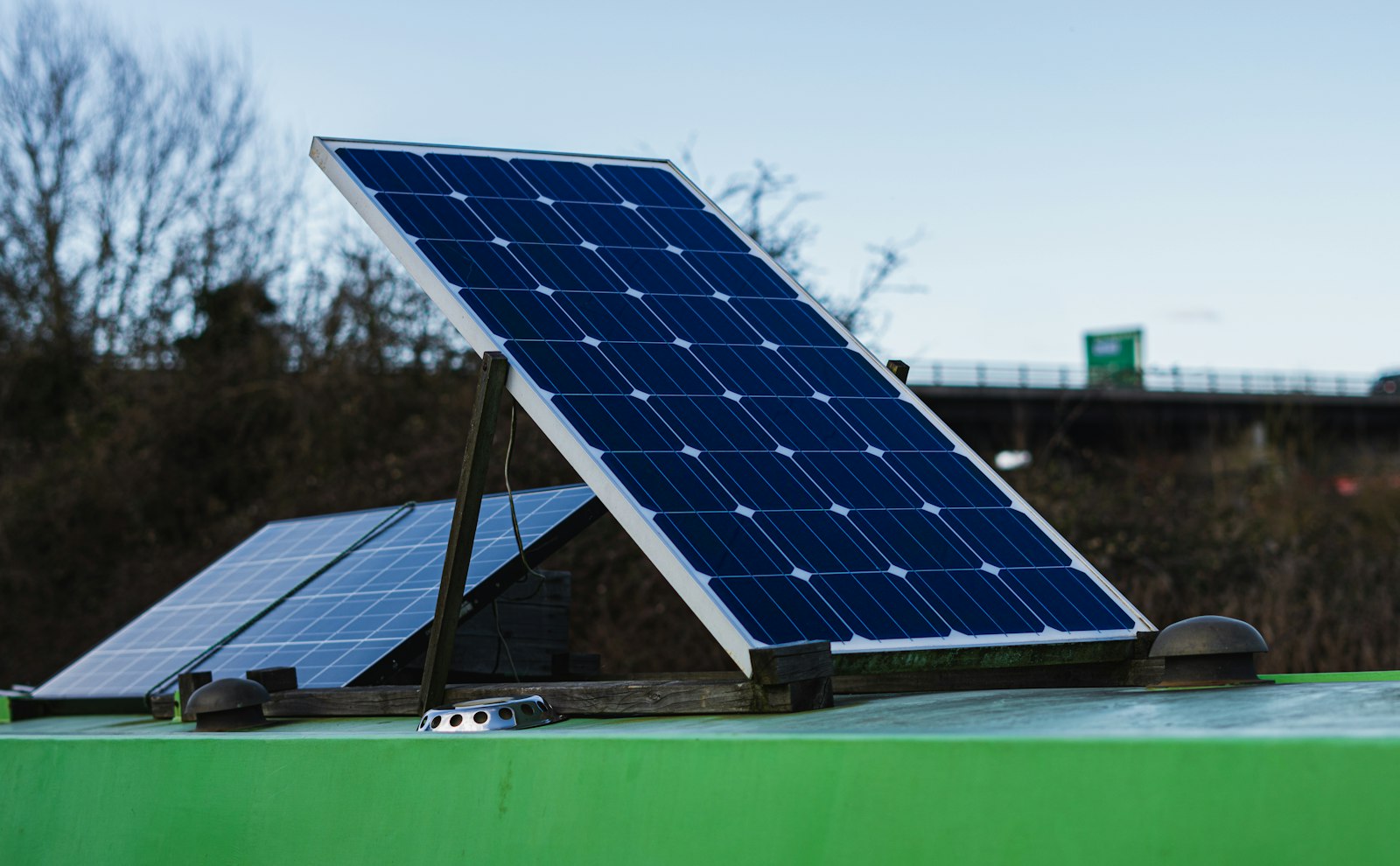
| Angle | Usually flat, so some loss | Can be angled and moved through the day |
| Roof space and height | Uses roof space, adds height and some weight | No roof space needed |
| Theft | Hard to steal | Easy to take if left unattended |
| Wiring | Short, permanent cable | Long cable, so voltage drop matters |
Why shade decides it for many people
In the fixed vs portable solar panels debate, shade is often the deciding factor. In hot weather, you want the vehicle and camp in the shade and the panel in the sun. A fixed panel can’t do both. In contrast, a portable panel can sit 5–10 metres away in full sun while you park under a tree. On the other hand, in cooler weather, or when you move every day, this matters much less and the fixed panel’s no-effort charging wins.
Wiring tips for each setup
- Use an MPPT regulator. It gets more from the panel in changing light than a basic PWM regulator.
- For portable panels, think about cable length. Long, thin cables waste power. Use a heavy enough cable, and where possible put the regulator near the battery so the long run carries the panel’s higher voltage.
- Don’t regulate twice. If your portable panel has its own regulator and your DC-DC charger also has an MPPT solar input, bypass one of them. Check the manufacturer’s instructions.
- A DC-DC charger with a solar input can handle both alternator and solar charging. Our DC-DC charger guide explains the options.
How many watts do you need?
First, start with your daily use. If your fridge, lights and devices use around 40–50Ah a day, a single good day from a 170–200W panel roughly covers it, and a cloudy day won’t. For this reason, many people pair a smaller roof panel with a portable panel, or rely on driving to top up. Use our 12V power and battery calculator to work out your own numbers, and read the 12V power guide to see how solar fits into a full system.
Fixed or portable solar panels: which should you pick?
- Weekend trips, moving most days: driving plus a DC-DC charger may be enough. Add a roof panel if you want a buffer.
- Long stays at one camp: a portable panel or blanket, so you can chase the sun.
- Hot climates: portable, so the vehicle can stay in the shade.
- Rooftop tent or full roof rack: portable, or a slim panel mounted alongside the tent if the manufacturer allows it.
- Full-time travel: both, with a roof panel for daily top-ups and a portable panel for extra charging at camp.
If you’re comparing complete power units, our REDARC REDWorks explainer shows how a ready-made system handles solar input.
Quick answers
Are folding solar blankets worth it?
They pack small and you can place them in the sun away from the vehicle, which makes them popular for long stays. They cost more per watt than rigid panels and need careful handling.
Can I charge my battery with solar while driving?
Only with a fixed panel. A portable panel has to be set up at camp.
Do solar panels work in winter?
Yes, but the sun is lower and days are shorter, so expect noticeably less output. Angle a portable panel towards the sun to recover some of it.
Sources
- Outback Equipment – Fixed vs semi-flexible vs foldable solar panels
- BMPRO – 12V Guru: solar, roof or portable
Output figures are from the sources above and vary with location, season, weather and panel quality. Follow your panel and charger manufacturers’ wiring instructions.
Featured photo: Caspar Rae on Unsplash.