
Once you drive past the last bar of phone signal, you need another way to call for help. There are now three realistic options: a personal locator beacon (PLB), a two-way satellite messenger like a Garmin inReach or Zoleo, and the satellite SOS built into recent smartphones. They work very differently, and the right choice depends on where you travel and what you want the device to do.
At a glance
| PLB | Satellite messenger | Phone satellite SOS | |
|---|---|---|---|
| Network | Government Cospas-Sarsat system, 406 MHz | Commercial, e.g. Iridium (Garmin inReach, Zoleo) | Commercial, e.g. Globalstar (iPhone), Skylo (Pixel) |
| Two-way messaging | No, one-way distress signal only | Yes | Limited, depends on phone and country |
| Subscription | None; free registration required | Yes, monthly or annual plan | Free for now on eligible phones |
| Who gets your SOS | Search and rescue authorities directly | The device’s response centre, which contacts local rescue | The phone’s emergency relay service |
| Tracking and check-ins | No | Yes | Limited |
| Best for | A reliable last resort with no ongoing cost | Regular contact plus SOS on long remote trips | A backup you already carry |
Personal locator beacons
A PLB does one thing: when you activate it, it sends a distress signal on 406 MHz to the international Cospas-Sarsat satellite system, which passes it to search and rescue authorities. There’s no subscription. In the US, NOAA requires you to register the beacon, and registration is free; it lets rescuers confirm who you are and check whether the alert is real.
- Models with built-in GPS encode your position in the signal, which NOAA says improves accuracy to about 100 metres.
- Once activated, the battery must transmit for at least 24 hours.
- It’s one-way. You can’t tell rescuers what’s wrong, and you get no confirmation that help is coming.
Two-way satellite messengers
Devices like the Garmin inReach range and Zoleo use the Iridium satellite network, which covers the whole planet including the oceans and poles. You can send and receive text messages, share your location with family, track your route, and trigger an SOS that goes to a 24/7 response centre.
- You can tell rescuers exactly what happened, and they can reply.
- You can send “all OK” check-ins, which stops people worrying and calling for help when you’re just late.
- They need a paid subscription, so budget for the plan on top of the device.
We looked at Garmin’s latest model in our article on the inReach Mini 3 Plus.
Satellite SOS on your phone
Many recent smartphones can now contact emergency services via satellite when there’s no mobile signal.
- iPhone: Emergency SOS via satellite works on iPhone 14 and newer and uses Globalstar satellites. In September 2026, Apple again extended free access to its satellite features for another year for iPhone 14, 15 and 16 models activated in supported countries before 9 September 2026. Apple hasn’t announced what it will charge afterwards. The feature is available in a growing list of countries, so check Apple’s support page for yours.
- Google Pixel: Satellite SOS launched on the Pixel 9 in the US in 2024, using Skylo’s network with Garmin Response handling emergencies. Google said it would be free for two years from activation.
The limitations matter. You need a clear view of the sky, and the phone may ask you to point it at a satellite, which is hard if you’re injured or under heavy tree cover. Searching for a satellite drains the battery quickly, and phones are less rugged than dedicated devices. Availability also depends on the country you’re in, not just where you bought the phone.
Which should you carry?
- Day trips and weekends near the edge of coverage: your phone’s satellite SOS is a useful backup, if it’s supported where you travel.
- Remote trips with no ongoing budget: a registered PLB is the most dependable distress-only option.
- Long remote trips, solo travel or groups that need to coordinate: a two-way satellite messenger, because being able to explain the problem and get a reply changes how a rescue goes.
- Truly remote or international expeditions: many experienced overlanders carry a messenger and a PLB, so one failure doesn’t leave them without a way to call for help.
Whatever you choose, leave a trip plan with someone at home, and make sure you know how to trigger the SOS before you need it.
Quick answers
Does a PLB need a subscription?
No. PLBs use the government Cospas-Sarsat system. In the US they must be registered with NOAA, which is free.
Is iPhone satellite SOS free?
For now, on eligible models. In September 2026 Apple extended free access for another year for iPhone 14, 15 and 16 models activated before 9 September 2026.
Can a PLB send messages?
No. A PLB only sends a distress signal. For two-way messages you need a satellite messenger.
Sources
- NOAA SARSAT – 406 MHz emergency beacons
- MacRumors – Apple extends free satellite access for iPhone 14, 15 and 16
- MacRumors – Emergency SOS via satellite expands to more countries
- TechRadar – Satellite SOS comes to Pixel 9 in the US
- Garage Grown Gear – Will SOS on phones replace PLBs?
Satellite services, coverage and pricing change often. Check the provider’s current information before you rely on a device.
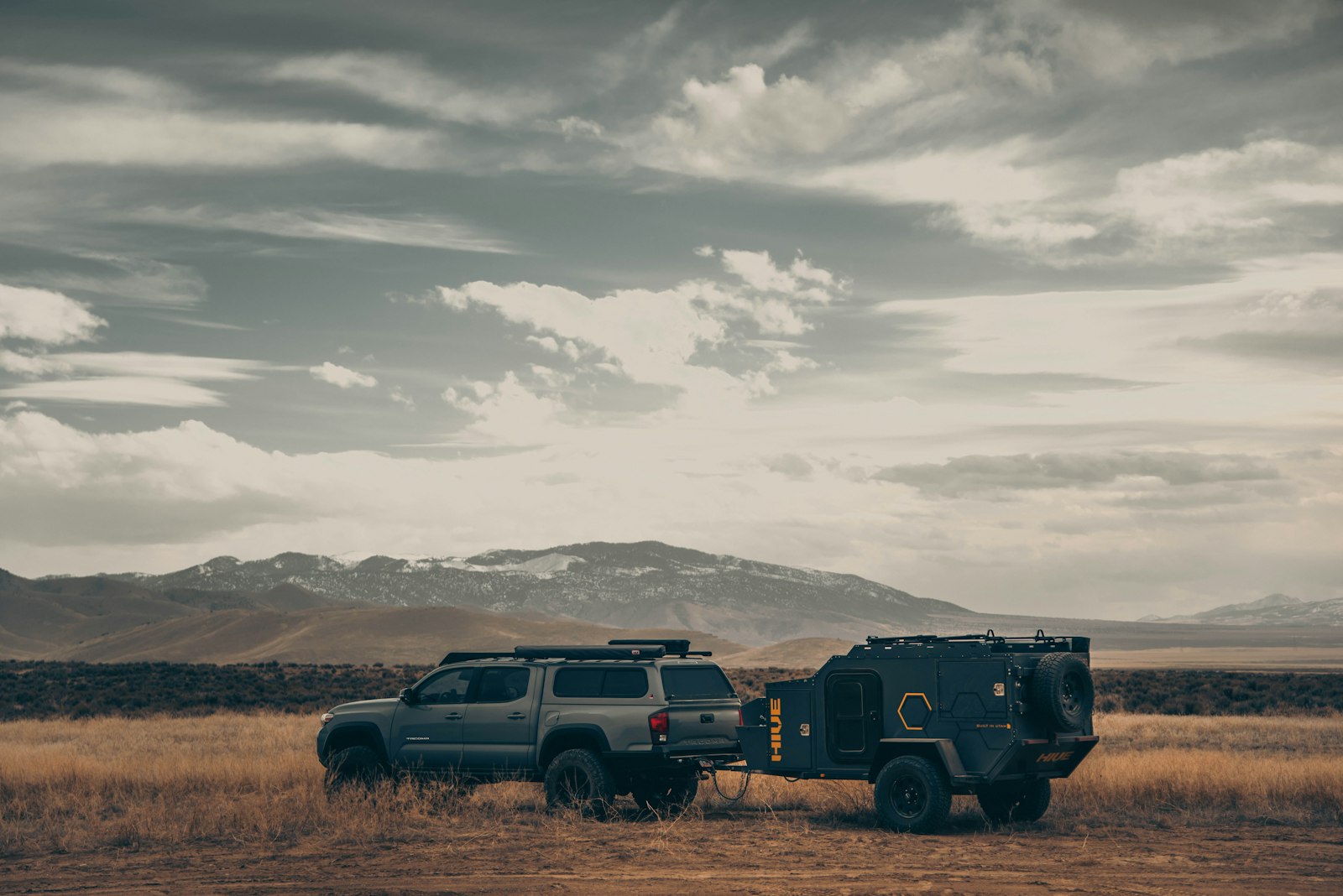
Featured photo: Mark Basarab on Unsplash.