A few years ago, internet at a remote camp meant a weak bar of 4G on the one hill nearby. The Starlink Mini changed that for a lot of people. It’s small enough to live behind a seat, it runs on 12V, and for many overlanders it’s the reason a two-week trip can include a few days of work. We haven’t tested one ourselves, so this is a look at the numbers and the setup questions that come up most.
What the Mini is (and isn’t)
The Mini is a compact dish with the router built in. Starlink’s spec sheet puts it at about 1.1 kg (2.4 lb) without the kickstand, with an IP67 rating and an operating range of −30°C to 50°C. It takes 12–48V DC through a barrel jack, or 100W USB-C power delivery with Starlink’s adapter cable.
However, it is not an emergency device. If the dish, your battery or the network fails, you have nothing. For safety, carry a satellite messenger or PLB as well. We compare those in our satellite messenger vs PLB guide.
How much power does Starlink Mini use?
Starlink lists average consumption at 25–40W, with a 60W maximum. Real-world reports on a clear day are often closer to 20–25W, with a short spike at start-up. For planning, 30W is a sensible number to use.
| Use | Energy per day (at 30W) | Rough lithium capacity used |
|---|---|---|
| 4 hours (email, maps, a call) | about 120 Wh | about 9 Ah |
| 8 hours (a work day) | about 240 Wh | about 19 Ah |
| 24 hours (left on) | about 720 Wh | about 56 Ah |
That last row is the one that surprises people, because leaving the Mini on all day uses more power than most 12V fridges. Switch it off when you’re not using it, and add it to your daily total in our 12V power calculator before you decide your battery is big enough.
Wiring it into a 12V system
- Skip the inverter. Running the Mini’s AC power supply from an inverter wastes energy twice. A direct DC cable or a quality USB-C PD port is more efficient.
- Watch the voltage. The Mini wants a stable supply. A lithium battery usually holds voltage well. An AGM battery can sag under load, and some owners use a 12V-to-24V step-up converter to avoid dropouts.
- Fuse for the start-up spike, not just the steady draw, and keep cable runs short and thick enough.
- A power station works too, as long as its USB-C port can deliver 100W. See our power station vs dual battery guide if you’re choosing between the two.
Where to put it
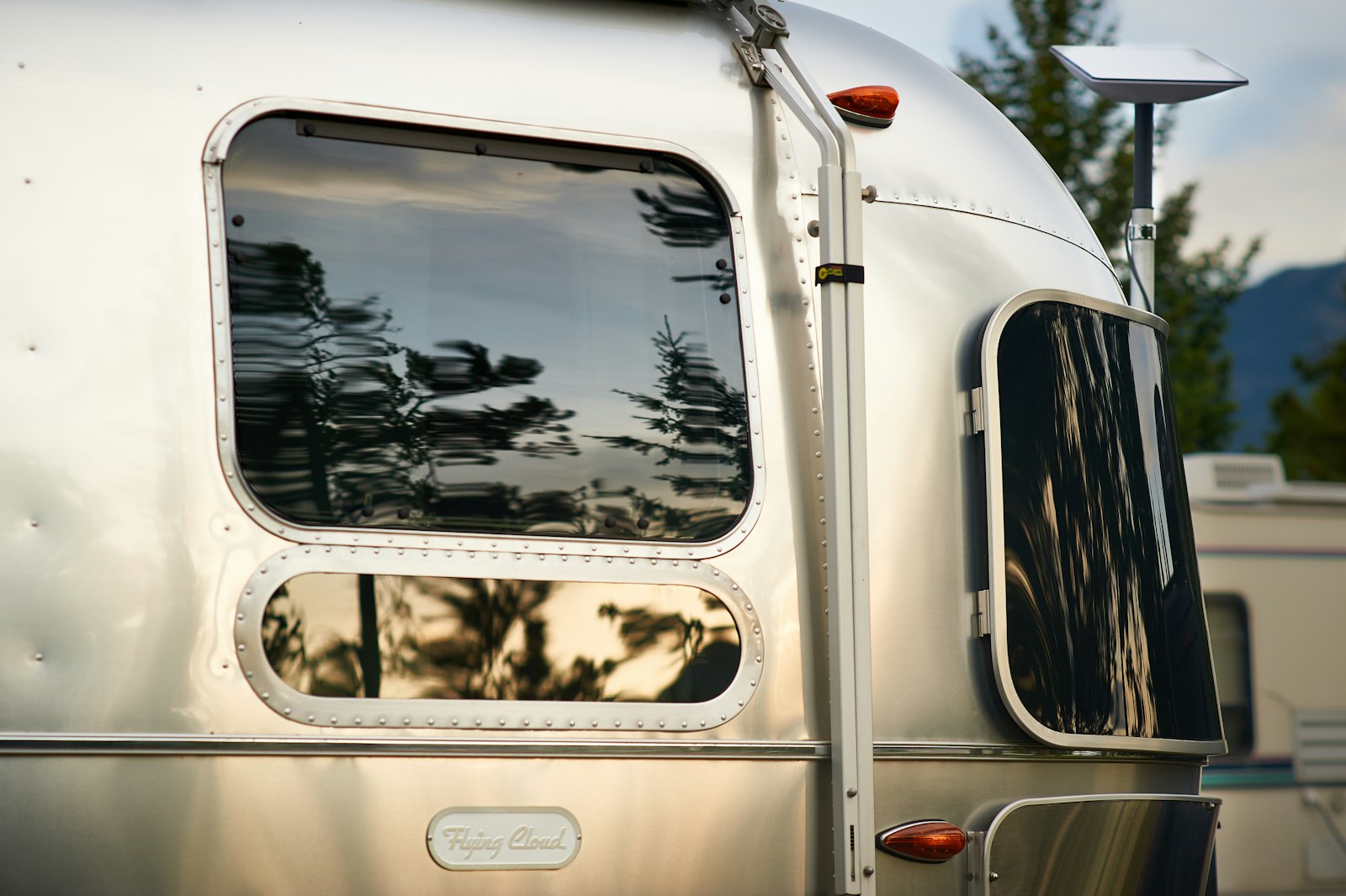
The dish needs a clear view of the sky, and trees are the usual problem. At camp, most people use the kickstand on the ground or a pole mount clamped to a ladder, roof rack or hitch. For use while driving, on the other hand, you need a solid fixed mount. Starlink’s terms and your local laws both matter here, so check what your plan allows before you bolt it to the roof.
One small tip that comes up a lot on forums: run the app’s obstruction check when you arrive, before you level the vehicle and set up camp. Moving the dish five metres is easy. Moving the whole camp isn’t.
Plans: check before you buy
Starlink changes its plans and prices regularly, and they vary by country. At the time of writing, US reports listed Roam plans with 100GB and 300GB of high-speed data plus an unlimited tier, and a low-cost standby mode that keeps the dish registered when you’re not travelling. Look at the official Starlink site for current prices in your country, and read the rules on in-motion use and travel abroad.
Is it worth it?
For a weekend trip, probably not, since most people can live without internet for two nights. It makes more sense if you work on the road, travel for weeks at a time, or spend a lot of time where phone coverage simply doesn’t exist. If you do buy one, plan the power first. The dish is the easy part.
FAQ
Can I run a Starlink Mini from a 12V socket?
Many people do, with a 12V-to-barrel or USB-C PD adapter rated for the load. A socket fused at 10–15A has enough capacity, but a hardwired supply is more reliable on rough roads.
Does Starlink Mini work in the rain or snow?
It’s weather-sealed and works in most weather, though heavy rain can slow it down. Snow on the dish blocks the signal, so brush it off.
Sources
- Starlink – Mini specification sheet
- 4WDTalk – Starlink Mini power consumption
- Starlink Info – Starlink for RVers: Mini, 12V power and Roam plans
We haven’t tested the Starlink Mini. Plan names, prices and in-motion rules change often, so check Starlink’s official site before you buy.
Featured photo: Chip Vincent on Unsplash.