Sooner or later, you’ll pick up a nail, a screw or a sharp stick in a tread. A spare wheel solves it once. But on a long trip, or after a second puncture, a tire plug kit is what gets you moving again. It’s cheap, small, and most people can learn to plug a tire in ten minutes. You just need to know what it can and can’t fix, and that it isn’t a permanent repair.
What a plug can fix
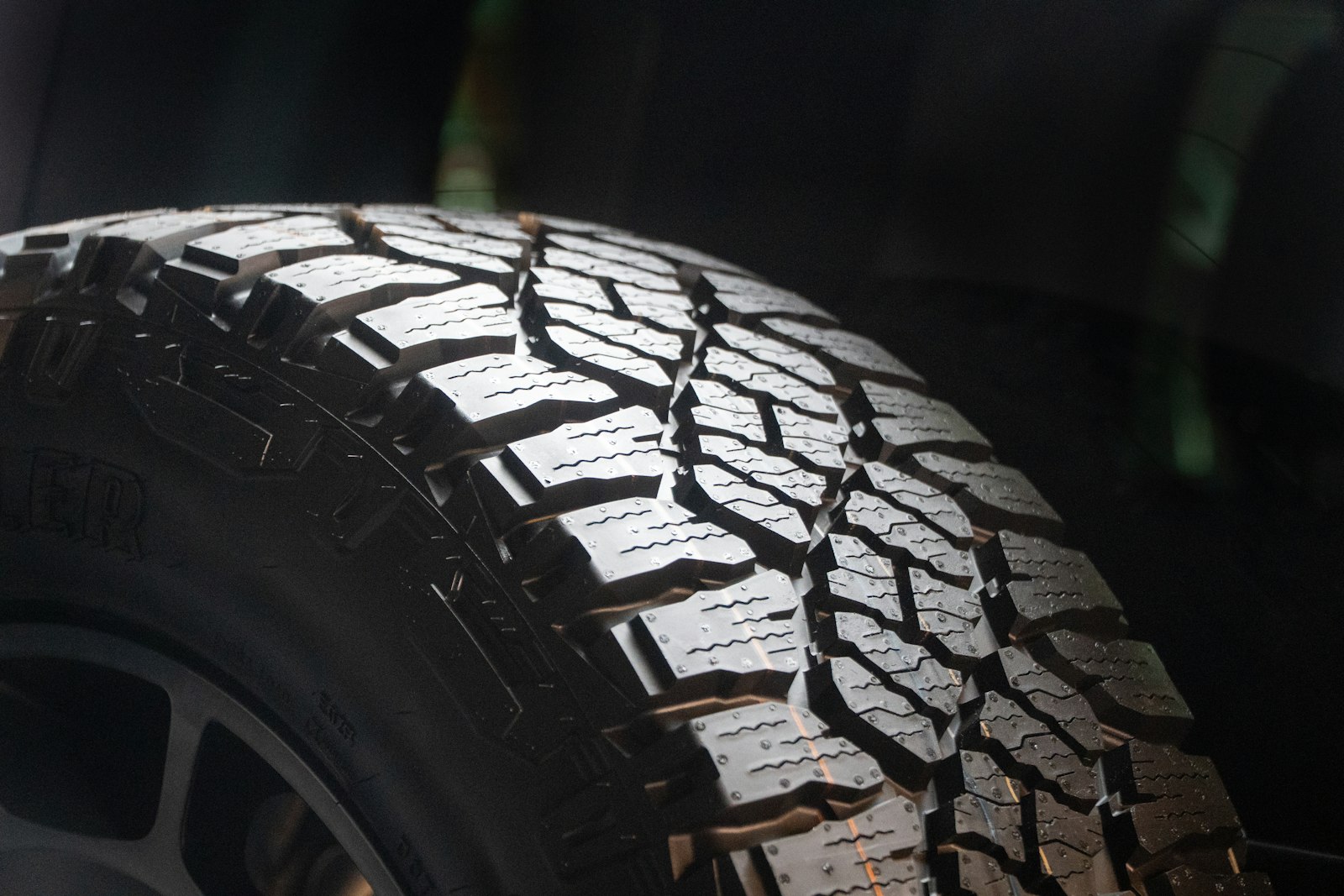
A plug is a sticky rubber string that you push into the hole from the outside. It works for clean punctures in the tread area. The US Tire Manufacturers Association (USTMA) sets clear limits for proper repairs, and they’re a good guide for what’s even worth trying:
- Size: 1/4 inch (6 mm) across or smaller.
- Location: the tread only. Not the shoulder, and never the sidewall.
- Spacing: AAA says repairs shouldn’t be too close to each other, at least 16 inches apart.
Sidewall cuts, big gashes and tires that were driven flat for a long way can’t be repaired safely. That’s what the spare is for.
What’s in a good kit
- A reaming tool and an insertion tool with sturdy T-handles. Cheap plastic handles snap.
- Plenty of plug strings, plus rubber cement if your plugs need it.
- Pliers to pull out the object.
- A knife or blade to trim the plug.
- A tire pressure gauge and a 12V compressor that can actually reach full road pressure.
- Soapy water in a small spray bottle to check for leaks.
How to plug a tire, step by step
- Park somewhere safe and level, with the handbrake on. If the hole is hard to reach, you may need to jack the vehicle up so you can turn the wheel.
- Find the hole. Listen for hissing, look for the object, or spray soapy water and watch for bubbles.
- Pull the object out with pliers. Mark the spot first so you don’t lose it.
- Push the reamer into the hole and work it in and out a few times. This cleans and roughens the hole so the plug can grip.
- Thread a plug through the eye of the insertion tool so it’s centred, and coat it with cement if your kit uses it.
- Push the tool in until about a third of the plug is still outside. Then pull the tool straight out quickly without twisting. The plug stays in.
- Trim the plug almost flush with the tread.
- Inflate to your normal pressure and check for leaks with soapy water. If it still bubbles, add a second plug or use the spare.
If you’ve aired down for the trail, now is the time to air back up properly. Our airing down guide covers the right pressures.
Why it’s only temporary
Many people drive on plugs for years. However, the tire industry is clear that a plug alone is not a complete repair. The USTMA says a proper repair needs the tire taken off the rim, inspected inside, and fixed with a plug to fill the hole plus a patch to seal the inner liner. That inside check matters, because a tire driven while low can be damaged inside where you can’t see it.
AAA calls a plug an emergency fix to get you to a repair shop, and suggests keeping speed under 50 mph until then. So plug it, finish the trail carefully, and have it checked at the next tire shop.
Plug kit, spare or sealant?
They do different jobs, and most overlanders carry at least two of them.
| Option | Good for | Limits |
|---|---|---|
| Full-size spare | Any damage, including sidewalls | Only one, and it’s heavy |
| Plug kit | Small tread punctures, more than once | Temporary; can’t fix sidewalls or big cuts |
| Tire sealant | Small, slow leaks | Messy for the tire shop; check the maker’s notes on TPMS sensors |
On long remote trips, many people carry a spare and a plug kit, and some add a second spare. Plug the small punctures and save the spare for damage a plug can’t fix.
Practise before you need it
The first time you use a plug kit shouldn’t be in the dark, in the rain, at the side of a track. Try it on an old tire at home, or ask a tire shop for a scrap one. Then check your kit before every trip, because plug strings dry out and cement tubes go hard once opened.
A plug kit sits alongside the rest of your self-recovery kit. See overland recovery gear explained for the other essentials, and our tire guide for choosing tough tires in the first place.
FAQ
Can I plug a tire without taking it off?
Yes, that’s the point of a plug kit. A proper permanent repair, though, needs the tire taken off the rim.
How long does a plug last?
There’s no reliable answer. Some last a long time, some fail suddenly. Treat it as temporary and get the tire checked.
Sources
A plug is an emergency repair. Have the tire inspected and properly repaired or replaced by a tire professional as soon as you can.
Featured photo: Rob Wingate on Unsplash.