
Whether you’re heading into the woods for a weekend or setting off on a week-long overland trip, a good gear list saves you from the classic camp moment of realising the lighter is still on the kitchen bench. Here’s a practical checklist, starting with the basics every camper needs and finishing with the extras that matter when you’re travelling by vehicle.
Shelter and sleep
- Tent or rooftop tent sized for your group, with a rainfly you trust.
- Ground sheet or footprint to protect the floor and keep moisture out.
- Sleeping bag rated for the coldest night you expect, not the average.
- Sleeping pad or mattress. Insulation from the ground matters as much as the bag in cold weather.
Kitchen
- Stove and enough fuel for the trip, plus a lighter and a backup.
- Pot, pan, utensils, a sharp knife and a cutting board.
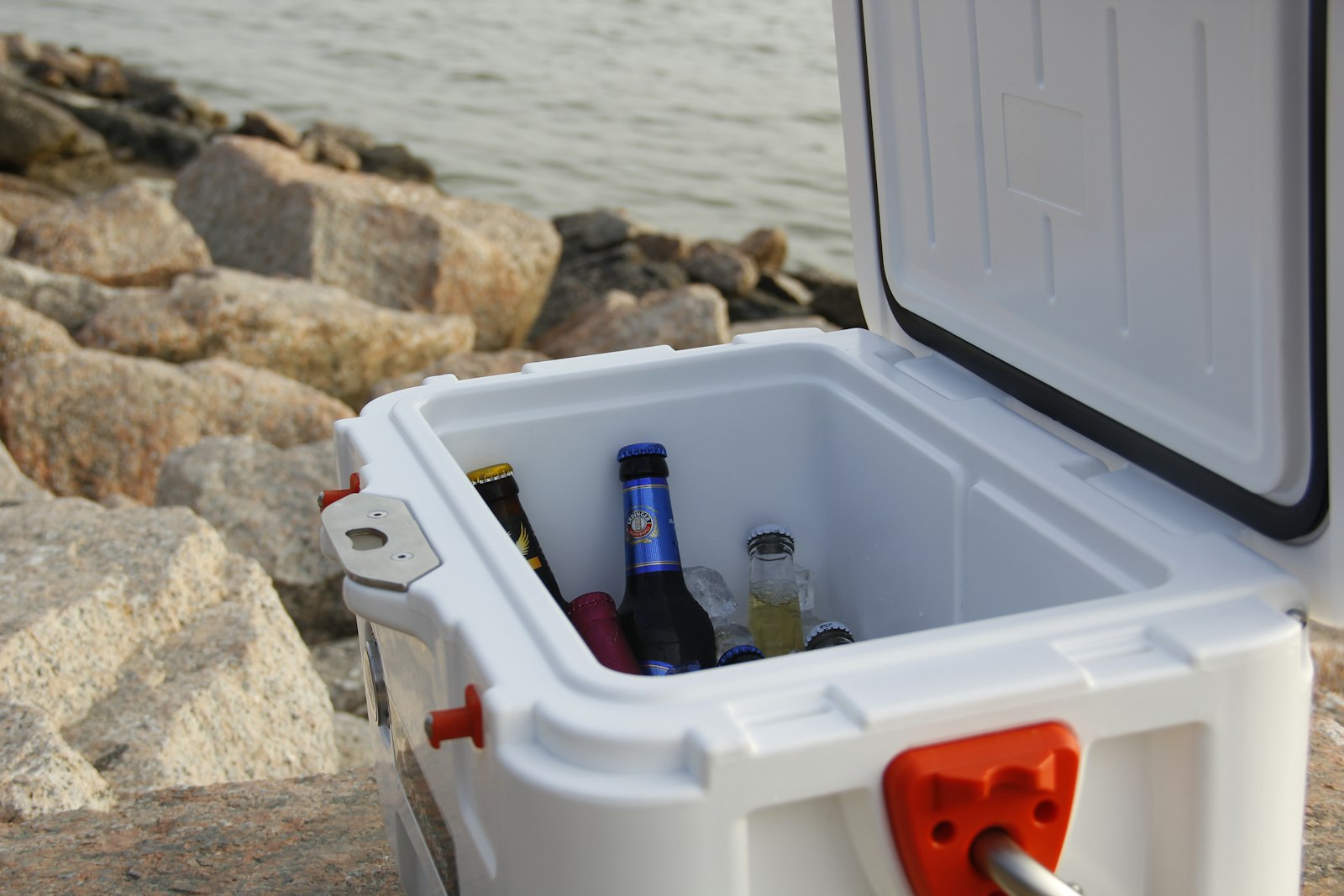
- Fridge or cooler, pre-chilled before you load it.
- Water containers, and a filter or purification method if you’ll refill from natural sources.
- Wash-up kit: biodegradable soap, a scrubber and a bag for rubbish.
Need meal ideas? See our easy camping meals for overlanders.
Light
- A headlamp for each person.
- A lantern or camp light for the cooking area.
- Spare batteries or a way to recharge.
Clothing
Dress in layers: a moisture-wicking base layer, an insulating mid-layer and a waterproof shell. Add a warm hat, gloves for cold nights and sturdy footwear for camp and walking.
Safety and first aid
- A well-stocked first aid kit, and know how to use what’s in it.
- Multi-tool and duct tape.
- Fire starter.
- Personal medications, plus sunscreen and insect repellent.
Navigation and communication
- Offline maps on your phone and a paper map as a backup.
- If you’re going beyond mobile coverage, a satellite communicator or personal locator beacon. Our article on the Garmin inReach Mini 3 Plus explains how these work.
- A trip plan left with someone at home.
Extra essentials for overland trips
Travelling with a vehicle lets you carry more, and some of that extra space should go to self-recovery and keeping the vehicle running.
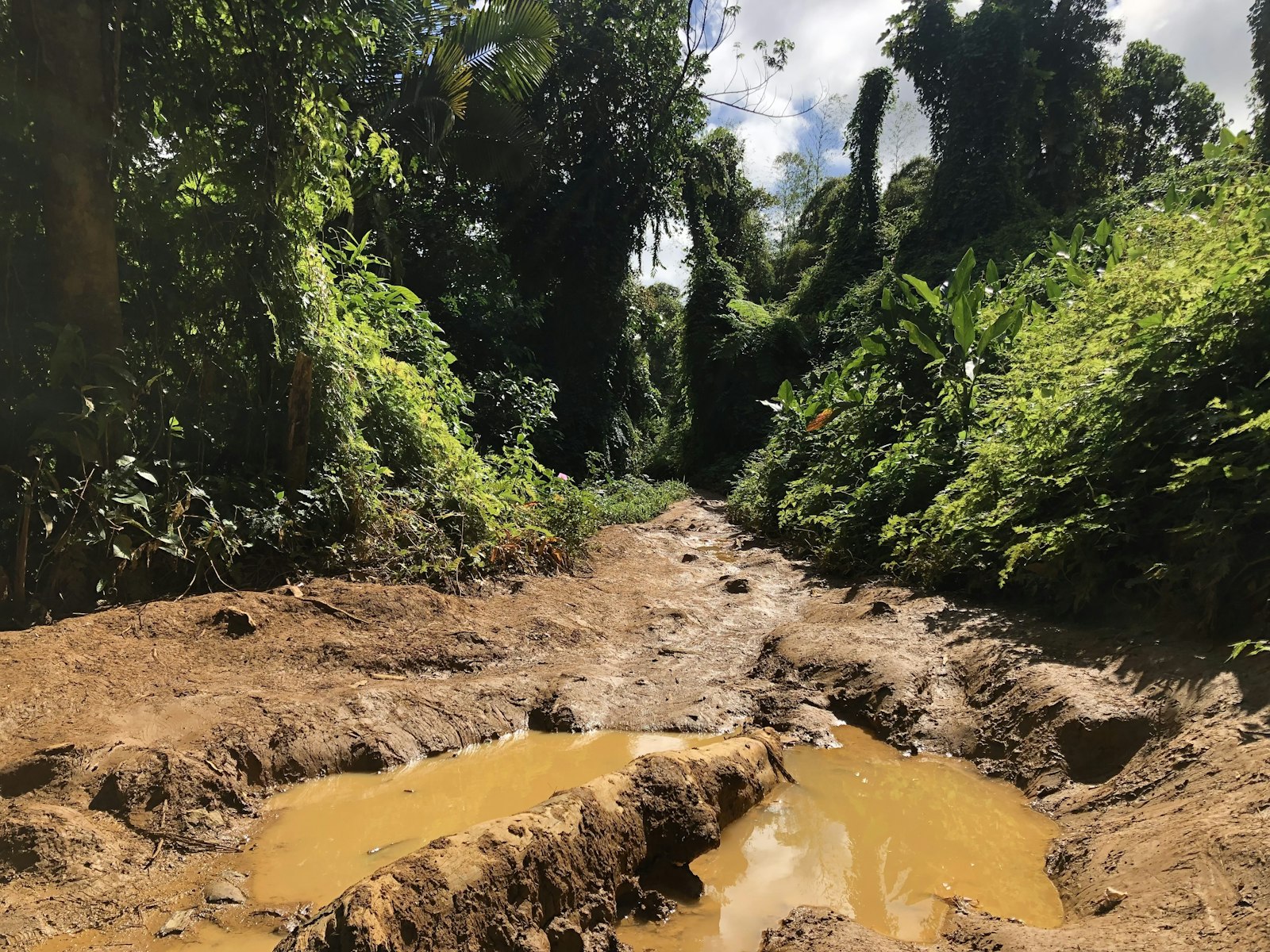
- Recovery gear: recovery boards, a snatch strap or kinetic rope with rated soft shackles, a shovel and gloves.
- Tire kit: a portable air compressor, a tire pressure gauge and a plug kit.
- Spare water: more than you think you need, especially in hot or dry areas.
- Fire extinguisher mounted where you can reach it quickly.
- Basic tools and spares: fuses, cable ties, hose clamps and the tools to fit them.
- Power: an auxiliary battery or power station to run the fridge and charge devices. Our power system sizing guide shows how much you need.
Comfort
Camp chairs, a small table, an awning or tarp for shade and rain, and something to do in the evening: a book, cards or a notebook. If space is tight, flat-folding chairs like the Front Runner Expander save a lot of room.
Final check
Before you leave, lay everything out or tick it off a written list. After each trip, note what you didn’t use and what you wished you’d brought. After two or three trips, you’ll have a list that fits the way you actually camp.
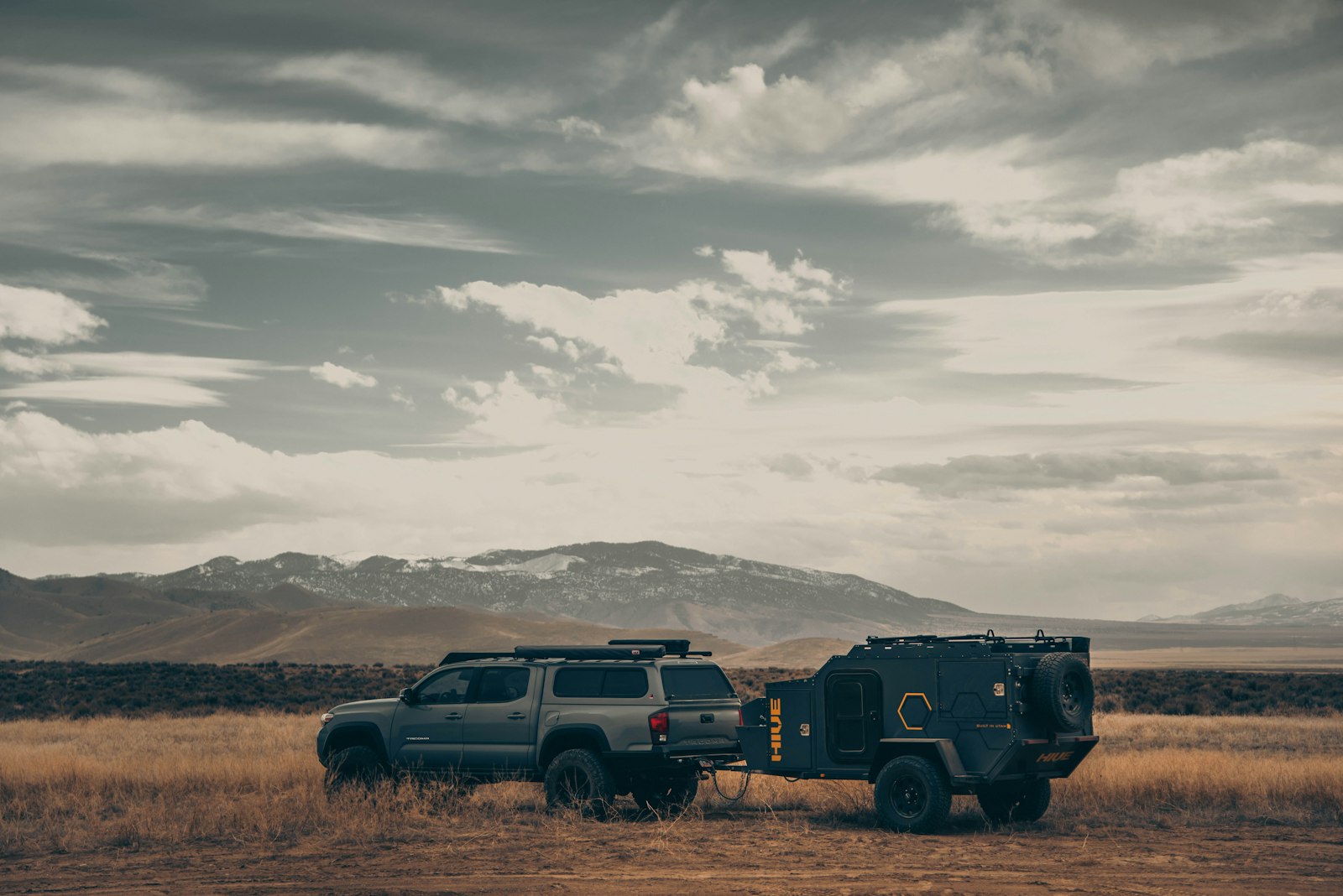
Featured photo: Baihaki Hine on Pexels.